
Tax tips to know before filing your 2023 income tax

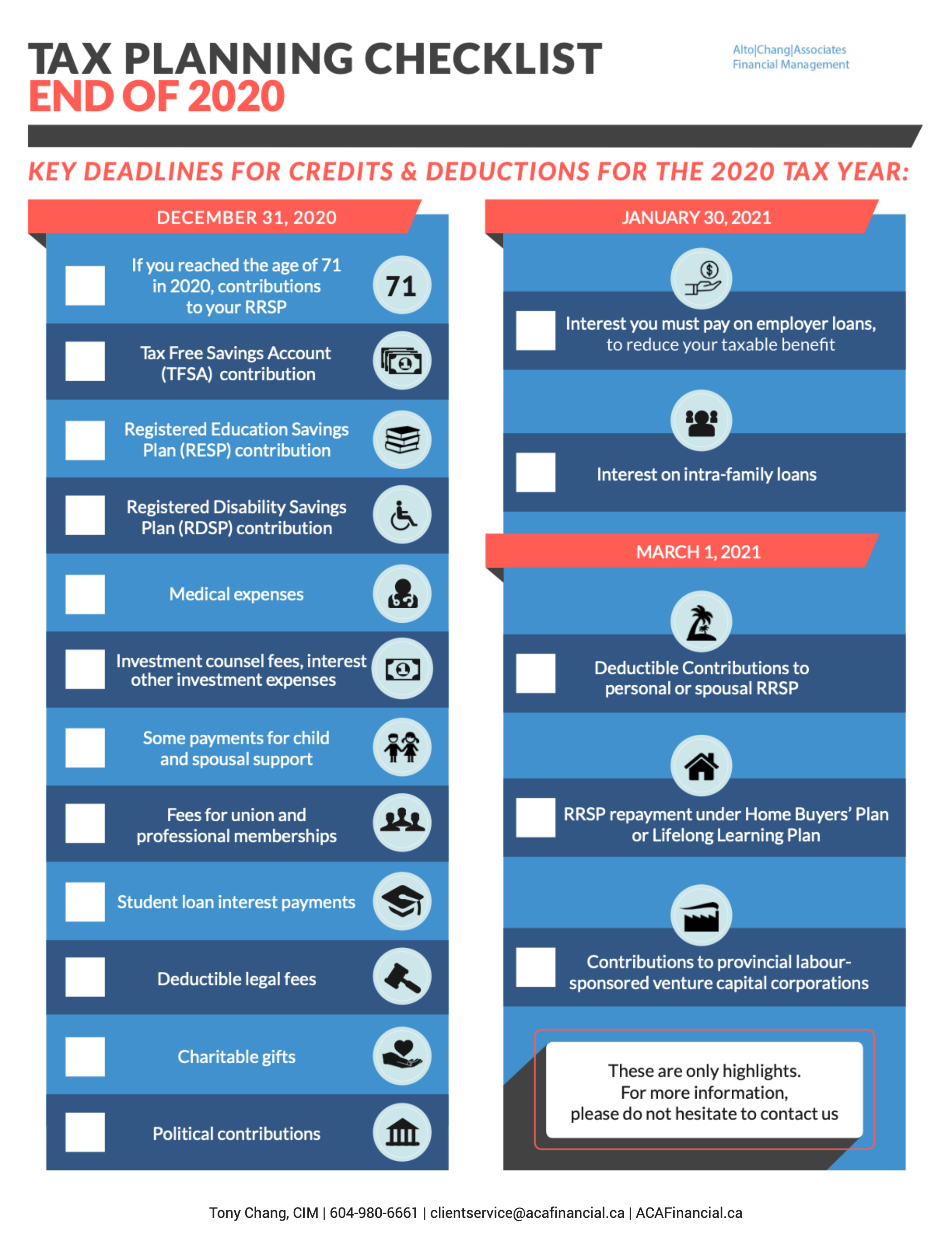
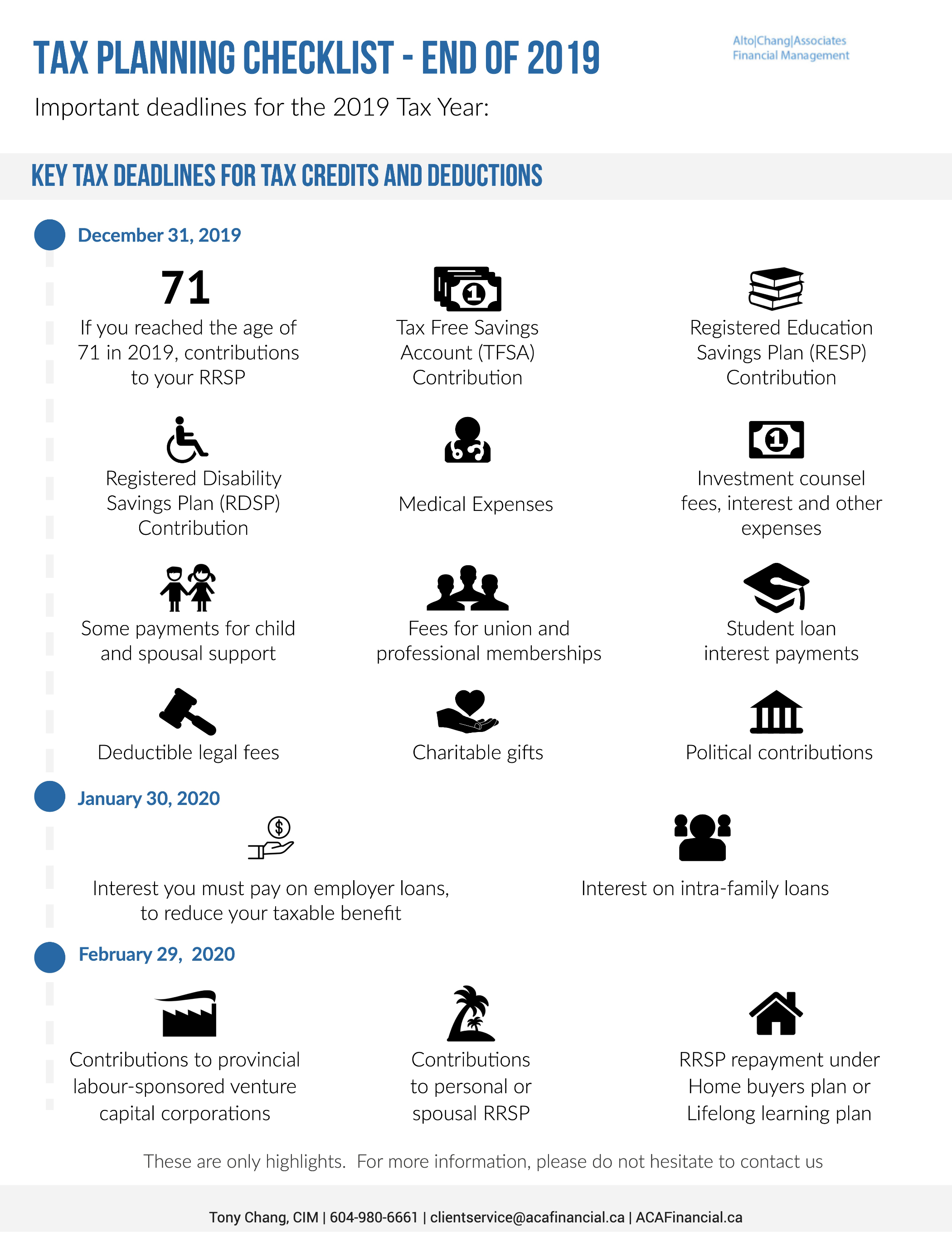
This year’s tax deadline is April 30, 2024. It’s important to make sure you’re claiming all the credits and deductions you’re eligible for. We’ve separated this article into 2 sections: 

  • What’s new for 2023

  • Individuals and Families

What’s New for 2023

Advanced Canada Workers Benefit (ACWB)

Automatic advance payments of the Canada Workers Benefit (CWB) are now seamlessly distributed through the ACWB program to individuals who received the benefit in the last tax year. However, it’s important to note that not everyone who received the CWB in the previous tax year will automatically receive the ACWB payments. Only individuals who filed their 2022 tax return before November 1, 2023, are eligible for the ACWB payments.

Furthermore, it’s worth mentioning that the ACWB program eliminates the need to file Form RC201. Recipients are no longer required to fill out this form. Instead, starting in 2023, individuals should report the amounts from their RC210 slip on Schedule 6, Canada Workers Benefit, of their tax return. Additionally, for eligible spouses, the option to claim the basic amount for the CWB is available regardless of who received the RC210 slip.

Deduction for Tools (Tradespersons and Apprentice Mechanics)

Starting in 2023, the maximum employment deduction for eligible tools of tradespersons has risen from $500 to $1,000. Consequently, the threshold for expenses eligible for the apprentice mechanics tools deduction has also been adjusted. 

Temporary Flat Rate Method for Home Office Expenses

For the year 2023, the temporary flat rate method for claiming home office expenses is not applicable. Consequently, taxpayers seeking to claim such expenses for 2023 must utilize the detailed method and obtain a completed Form T2200, Declaration of Conditions of Employment, from their employer.

Federal, Provincial, and Territorial COVID-19 repayments

Repayments of COVID-19 benefits at the federal, provincial, and territorial levels, made after December 31, 2022, can be deducted and claimed.

First Home Savings Account (FHSA)

The FHSA is a registered plan designed to aid individuals in saving for their first home. Starting April 1, 2023, contributions made to an FHSA are typically deductible, and eligible withdrawals made from an FHSA for purchasing a qualifying home are tax-free. 

Property Flipping

Starting January 1, 2023, any profit generated from the sale of a housing unit (including rental properties) situated in Canada, or a right to acquire a housing unit in Canada, that you owned or held for less than 365 consecutive days prior to its sale is considered business income rather than a capital gain. This is applicable unless the property was already classified as inventory or the sale occurred due to, or in anticipation of specific life events. 

Multigenerational Home Renovation Tax Credit (MHRTC)

The MHRTC is a refundable tax credit designed to enable eligible individuals to seek reimbursement for specific renovation expenses incurred in establishing a secondary unit within an eligible dwelling. This enables a qualifying individual to live with their qualifying relative. If eligible, you can claim up to $50,000 in qualifying expenditures for each renovation project completed, with a maximum credit of $7,500 for each eligible claim. 

Fuel Charge Proceeds Return to Farmers Tax Credit

The Fuel Charge Proceeds Return to Farmers Tax Credit is now accessible to self-employed farmers and individuals involved in a partnership operating a farming business with one or more permanent establishments located in Alberta, Manitoba, New Brunswick, Newfoundland and Labrador, Nova Scotia, Ontario, Prince Edward Island, or Saskatchewan. If eligible, you may be entitled to a refund of a portion of your fuel charge proceeds. 

For Individuals and Families

Canada Training Credit (CTC)

The CTC is a refundable tax credit available to help Canadians with the cost of eligible training fees.

To qualify for the CTC, you need to fill out Schedule 11 for the following:

  1. Tuition fees and other applicable fees paid to an eligible educational institution in Canada for courses taken in 2023.

  2. Fees paid to specific organizations for occupational, trade, or professional examinations undertaken in 2023.

To be eligible for the CTC, you must meet all these conditions:

  • You resided in Canada for the entire year of 2023.

  • You were at least 26 years old but less than 66 years old at the end of the year.

  • Your most recent notice of assessment or reassessment for 2022 shows a Canada Training Credit Limit for 2023.

Canada Caregiver Credit (CCC)

The CCC is a non-refundable tax credit aimed at assisting individuals who provide support to a spouse, common-law partner, or dependent with a physical or mental impairment, as outlined by the CRA.

You might be eligible for the CCC if you aid:

  • Your spouse or common-law partner dealing with a physical or mental impairment.

  • Dependents such as children, grandchildren, parents, grandparents, siblings, uncles, aunts, nieces, or nephews residing in Canada, who rely on you for consistent provision of basic needs like food, shelter, and clothing.

The amount you can claim varies depending on your relationship to the individual, your circumstances, their net income, and whether other credits are claimed for them.

Child Care Expenses

Child care expenses encompass payments made by you or someone else to arrange care for an eligible child. This care allows you to participate in income-earning activities, pursue education, or conduct research funded by a grant.

If you qualify, you can claim certain childcare expenses as deductions when you file your personal income tax return.

Disability Tax Credit (DTC)

The DTC is a non-refundable tax credit designed to support individuals with disabilities, or their family members who provide support, by reducing their income tax responsibilities.

To be eligible for this credit, individuals must have a significant and enduring impairment. Once approved, they can apply the credit when filing their taxes.

The DTC aims to ease some of the extra costs linked with the disability by lessening the individual’s income tax burden.

Moving

You can claim moving expenses you paid during the year if you meet these conditions

  • You moved to a new residence for work reasons, to start a business in a different area, or to attend a post-secondary program as a full-time student at a university, college, or other educational institution.

  • Your new residence must be at least 40 kilometres closer, determined by the shortest public route, to your new work location or educational institution.

Interest Paid on Student Loans

You might qualify to claim an amount for the interest paid on your student loan for post-secondary education if it was obtained under the following acts:

  • Canada Student Loans Act

  • Canada Student Financial Assistance Act

  • Apprentice Loans Act

  • Provincial or territorial government laws that are similar to the aforementioned acts.

Only you, or a person related to you, can claim the interest paid on the loan within the tax year 2023 or the preceding 5 years.

Donations and Gifts

When you or your spouse/common-law partner donate to eligible institutions, you might be eligible for federal and provincial/territorial non-refundable tax credits when you file your income tax and benefit return.

Normally, you can claim a portion or the full eligible donation amount, capped at 75% of your net income for the tax year.

Seeking guidance?

Wondering if you qualify for valuable tax credits or deductions? Reach out to us – as your financial advisor, we’re here to assist you in optimizing your finances and maximizing your savings.

Source: https://www.canada.ca/en/revenue-agency/services/tax/individuals/topics/about-your-tax-return/tax-return/completing-a-tax-return/whats-new.html

Canada Training Credit: https://www.canada.ca/en/revenue-agency/services/tax/individuals/topics/about-your-tax-return/tax-return/completing-a-tax-return/deductions-credits-expenses/line-45350-canada-training-credit.html

Canada Caregiver Credit: https://www.canada.ca/en/revenue-agency/services/tax/individuals/topics/about-your-tax-return/tax-return/completing-a-tax-return/deductions-credits-expenses/canada-caregiver-amount.html

Child Care Expense: https://www.canada.ca/en/revenue-agency/services/tax/individuals/topics/about-your-tax-return/tax-return/completing-a-tax-return/deductions-credits-expenses/line-21400-child-care-expenses.html

Disability Tax Credit: https://www.canada.ca/en/revenue-agency/services/tax/individuals/segments/tax-credits-deductions-persons-disabilities/disability-tax-credit.html

Moving: https://www.canada.ca/en/revenue-agency/services/tax/individuals/topics/about-your-tax-return/tax-return/completing-a-tax-return/deductions-credits-expenses/line-21900-moving-expenses.html

Interest Paid on Student Loans: https://www.canada.ca/en/revenue-agency/services/tax/individuals/topics/about-your-tax-return/tax-return/completing-a-tax-return/deductions-credits-expenses/line-31900-interest-paid-on-your-student-loans.html

Donations and Gifts: https://www.canada.ca/en/revenue-agency/services/tax/individuals/topics/about-your-tax-return/tax-return/completing-a-tax-return/deductions-credits-expenses/line-34900-donations-gifts.html

Empowering Your Family’s Financial Future: A Comprehensive Guide to Budgeting

Taking charge of your family’s financial well-being through effective budgeting is a crucial step in securing a brighter future. We’ll explore the significance of budgeting and provide practical tips to help you manage your money wisely while ensuring the best possible support for your loved ones, including those with disabilities and their Registered Disability Savings Plan (RDSP).

Why Budgeting Matters for Families

Budgeting is a powerful financial tool that holds importance for all families:

  1. Financial Clarity: It offers a clear overview of your family’s income and expenses, helping you make informed decisions about allocating funds.
  2. Goal Achievement: Budgeting helps you allocate funds not only for your loved one’s RDSP but also for other family financial goals, such as saving for education or a home.
  3. Expense Control: It identifies areas where you can cut back on expenses, freeing up money for your family’s financial priorities.
  4. Debt Reduction: By tracking spending, you can allocate extra funds to pay down debt faster, ensuring your family’s financial stability.
  5. Emergency Preparedness: A budget provides a financial safety net for unexpected expenses, which can be especially critical for families with additional financial responsibilities.

Steps to Effective Budgeting for Families

  1. Calculate Income: Determine your total monthly income, including salaries, government benefits, and any disability-related support for your loved one.
  2. List Expenses: Categorize expenses into fixed (e.g., housing, utilities) and variable (e.g., groceries, entertainment).
  3. Set Financial Goals: Define short-term and long-term financial goals for your family, ensuring that your loved one’s RDSP contributions are part of the plan.
  4. Create a Budget: Use budgeting tools or apps to allocate income to expenses, savings, and financial goals without exceeding your income.
  5. Monitor and Adjust: Regularly track spending against your budget, making necessary adjustments to ensure your family’s financial health.

Tips for Successful Budgeting

  1. Be Realistic: Set achievable goals and create a budget that accommodates your family’s unique needs, including the financial responsibilities associated with the RDSP.
  2. Prioritize Savings: Ensure that contributing to your loved one’s RDSP is a top financial priority, but don’t forget to save for other family goals too.
  3. Emergency Fund: Maintain an emergency fund to cover unexpected expenses, which can benefit all family members.
  4. Review and Cut Expenses: Periodically review expenses to find areas where you can save and allocate more funds to your family’s financial priorities.
  5. Pay Yourself First: Treat savings, including RDSP contributions, as non-negotiable expenses, just like other essential bills.
  6. Seek Professional Advice: Consult a financial advisor who specializes in disability-related financial planning for tailored guidance.

Budgeting is your family’s pathway to financial security and ensuring a brighter financial future. By budgeting wisely and prioritizing your loved one’s financial well-being, you can control your family’s finances, reduce stress, and work towards a future filled with financial peace of mind. Remember, financial success for families means making informed choices that align with your values and aspirations. Start budgeting today to achieve financial wellness for your entire family, balancing the needs of all family members, including those who rely on the support of the RDSP.

Understanding Registered Education Savings Plans (RESPs) in Canada

What is an RESP?

A Registered Education Savings Plan (RESP) is a unique savings account available in Canada, designed to assist individuals, such as parents or guardians, in saving for a child’s post-secondary education. Notably, anyone can open an RESP for a child. There are two main types of RESPs: single and family plans. Single plans cater to one beneficiary who doesn’t necessarily have to be related to the contributor. In contrast, family plans can cater to multiple beneficiaries, who must be related to the contributor by blood or adoption. This special account type offers significant tax benefits and is structured explicitly to fund a child’s future educational needs.

What are the eligibility requirements to open an RESP?

Opening an RESP requires both the contributor and the beneficiary (the child for whom you’re saving) to be Canadian residents with a valid Social Insurance Number (SIN). The plan can be opened for up to 35 years, and the RESP has a lifetime contribution limit of $50,000. To qualify for the Canada Education Savings Grant (CESG), the beneficiary must be aged 17 or under.

How can my child access their RESP funds for school?

The beneficiary can start withdrawing funds from the RESP as Educational Assistance Payments (EAPs) once they enrol in an eligible post-secondary educational program. EAPs comprise the income earned in the RESP and any government grants. The original contributions made to the RESP can be withdrawn tax-free by the contributor or given to the beneficiary. Given the student’s income level and personal tax credits, they typically remain tax-free.

What are the benefits of an RESP?

RESPs offer numerous benefits. Key among them is tax-deferred growth, which means the investment income generated within the account isn’t taxed as long as it remains in the plan. Also, through programs like the CESG and the Canada Learning Bond (CLB), the Canadian government contributes to your RESP, thereby enhancing your savings. Lastly, RESPs provide a structured path to save for a child’s future education, encouraging consistent savings and financial planning.

How does the Canada Education Savings Grant work?

The CESG is a government grant that matches a portion of your annual RESP contributions. The standard matching rate is 20% on the first $2,500 contributed each year, leading to a maximum annual grant of $500. However, low-income families may qualify for a higher matching rate. Unused CESG contribution room can be carried forward, allowing for a potential maximum grant payment of $1,000 in a single year. The CESG is available until the beneficiary turns 17, with a lifetime limit of $7,200 per beneficiary.

What is the Canada Learning Bond?

The Canada Learning Bond (CLB) is another program to promote long-term savings for a child’s post-secondary education. It targets children born after 2003 from low-income families. Eligible families receive an initial $500 from the government, directly deposited into the child’s RESP. An additional $100 is added annually until the child turns 15, for a potential total of $2,000. The CLB does not require any contributions to the RESP, making it accessible even for those in a tight financial position.

What are the BCTESG and QESI?

Provincial programs such as the British Columbia Training and Education Savings Grant (BCTESG) and the Quebec Education Savings Incentive (QESI) provide additional incentives for education savings. The BCTESG offers a one-time grant of $1,200 for eligible children, and the QESI provides a refundable tax credit paid directly into an RESP for qualifying Quebec residents.

How do I open an RESP?

Opening an RESP can be done through a financial advisor. You need to provide your SIN and the SIN of the beneficiary. Understanding the terms, conditions, and potential fees linked with the RESP offered by your chosen institution is crucial. You can make regular contributions or contribute lump sums as you see fit. Inquiring about the types of investments available within the RESP is vital, as they can significantly impact the growth of your savings.

In conclusion, while RESPs offer a structured and tax-efficient way of saving for a child’s post-secondary education, they also require careful planning and consistent contributions. Be sure to understand all aspects of an RESP and consider contacting us before starting one.

Retirement Planning

brandableContent

Most of us understand the benefits of sensible retirement planning. Still, it doesn’t feel relatively straightforward when it comes to creating your retirement strategy and putting it into effect. The reality is that, while there are lots of variables to consider, it isn’t as challenging to create an effective plan for retirement as you may think.

Firstly, let’s consider the merits of a retirement plan. Firstly, the plan will aid you in setting clear goals for your retirement, such as the age that you want to finish work and what you want your retirement to look like in terms of lifestyle. Secondly, it will help you establish how much you need to save to have a retirement that meets your objectives. Thirdly, a plan will allow you to choose your investment options wisely.

How you know how much you need to save is a common question. This depends on three factors:

  • Your age. It makes sense that starting to save for retirement when you are younger means that you need to save less money than starting later in life.

  • Benefits available to you. There is a range of federal government benefits that you might be eligible for, such as the Canada Pension Plan or Old Age Security.

  • Your plans for your retirement will inevitably affect how much you need to save to fund it.

If you haven’t started saving for your retirement yet or have less in your retirement savings plan than you would like, take a look at our top tips to accelerate your savings.

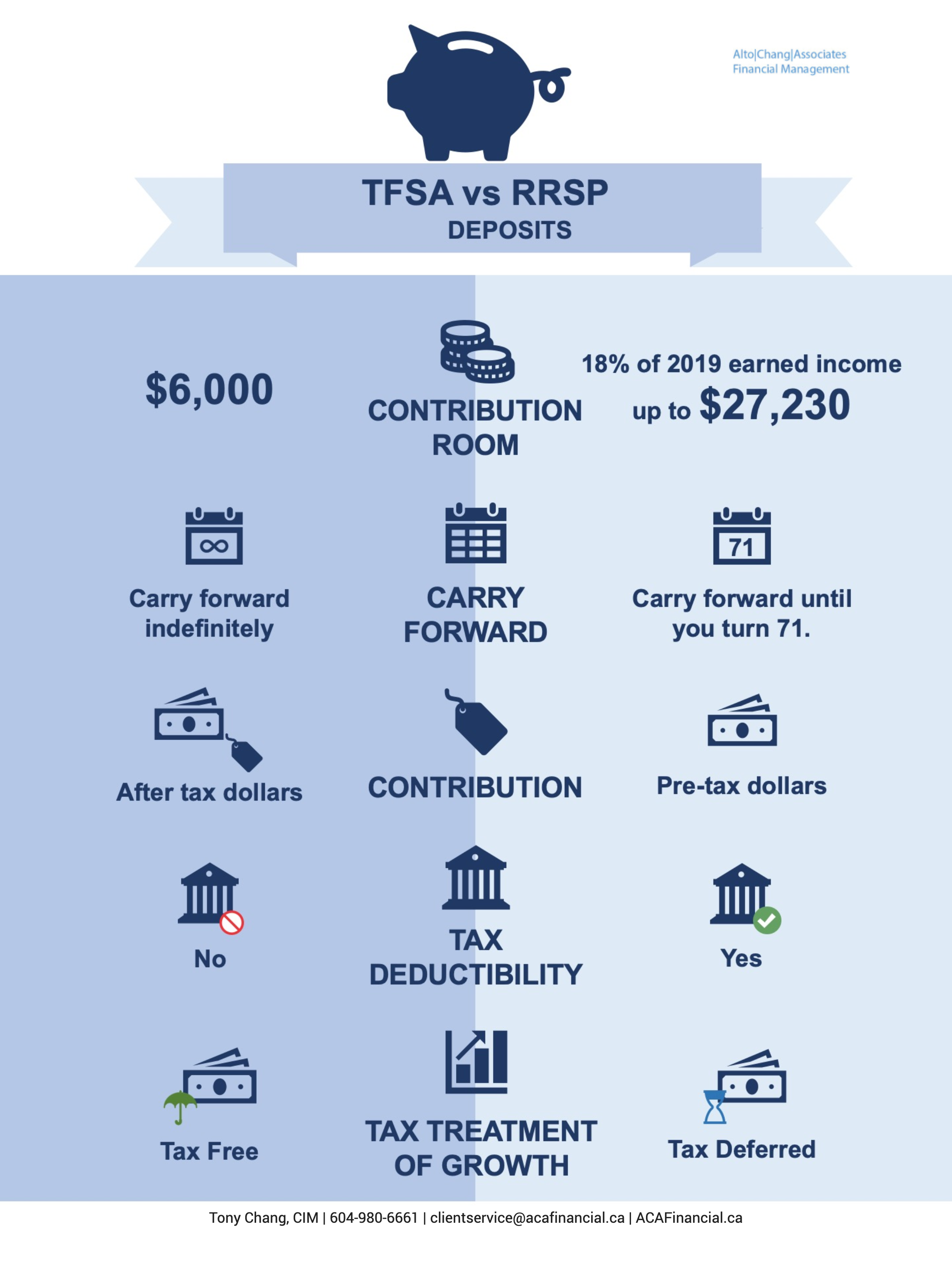
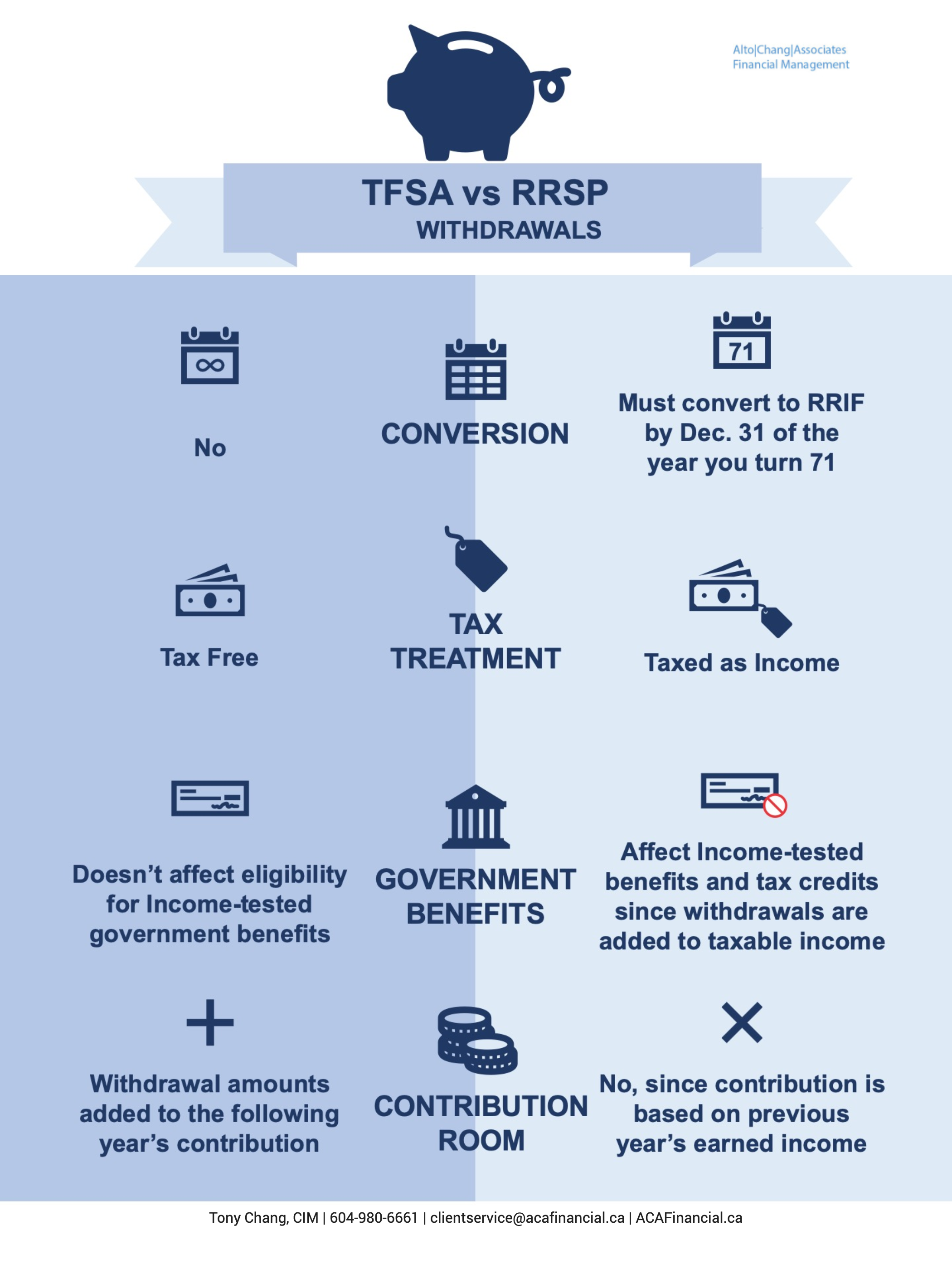
  • Make the most of RRSPs and TFSAs to minimize your tax bill and make your money grow faster.

  • Take advantage of any pensions or savings plans that your workplace offers, as your employer’s contributions can add extra value to your fund.

  • Look at your spending habits to identify opportunities to cut back outgoings and save more.

  • Think about putting spare money into your retirement fund.

Taking steps to create an effective retirement plan is a decision that will pay off as you approach later life, allowing you to have the savings for the retirement that you deserve.

Talk to us; we can help.

Federal Budget 2023 Highlights

On March 28, 2023, the Federal Government released their 2032 budget. This article highlights the following financial measures:

  • New transfer options associated with Bill C-208 for intergenerational transfer.

  • New rules for employee ownership trusts.

  • Changes to how the Alternative Minimum Tax is calculated.

  • Improvements to Registered Education Savings Plans.

  • Expanding access to Registered Disability Savings Plans.

  • Grocery rebate.

  • Deduction for tradespeople tool expenses.

  • Automatic tax filing.

  • New Canadian Dental Care Plan.

Amendments To Bill C-208 Intergenerational Transfer Introduces Two New Transfer Options

Budget 2023 introduces two transfer options associated with the intergenerational transfer of a business:

  1. An immediate intergenerational business transfer (three-year test) based on arm’s length sales terms.

  2. A gradual intergenerational business transfer (five-to-ten-year test) based on estate freeze characteristics.

For the three-year test, the parent must transfer both legal and factual control of the business, including an immediate transfer of a majority of voting shares and the balance, within 36 months. The parent must also transfer a majority of the common growth shares within the same time frame. Additionally, the parent must transfer management of the business to their child within a reasonable time, with a 36-month safe harbour. The child or children must retain legal control for 36 months following the share transfer, and at least one child must remain actively involved in the business during this period.

For the gradual transfer option, the conditions are similar to the immediate transfer, but with a few differences. The parent must transfer legal control, including an immediate transfer of a majority of voting shares and the balance, within 36 months. They must also transfer a majority of the common growth shares and the balance of common growth shares within the same time frame. As well, within 10 years of the initial sale, parents must reduce the economic value of their debt and equity interests in the business to 50% of the value of their interest in a farm or fishing corporation at the initial sale time, or 30% of the value of their interest in a small business corporation at the initial sale time. The child or children must retain legal control for the greater of 60 months or until the business transfer is completed, and at least one child must remain actively involved in the business during this period.

The extended intergenerational transfer now applies to children, grandchildren, stepchildren, children-in-law, nieces and nephews and grandnieces and grandnephews.

The changes apply to transactions that occur on or after January 1, 2024. If the election is made, the capital gain reserve period is extended to ten years, and the limitation period for assessing a return is extended to three years for an immediate transfer and ten years for a gradual business transfer.

New Rules for Employee Ownership Trusts

The employees of a business can use an employee ownership trust (EOT) to purchase the business without having to pay the owner directly to acquire shares. Business owners can use an EOT as part of their succession planning.

Budget 2023 introduces new rules for using ownership trusts (EOTs) as follows:

  • Extending the five-year capital gains reserve to ten years for qualifying business transfers to an EOT.

  • A new exception to the current shareholder loan rule which extends the repayment period from one to fifteen years for amounts loaned to the EOT from a qualifying business to purchase shares in a qualifying business transfer.

  • Exempts EOTs from the 21-year deemed disposition rule that applies to some trusts. This means that shares can be held indefinitely for the benefit of employees.

Clean Energy Credits

The upcoming Budget 2023 is set to introduce a series of measures aimed at encouraging the adoption of clean energy. These measures include several business tax incentives such as:

  1. Clean Electricity Investment Tax Credit: This is a refundable tax credit of 15% for investments in equipment and activities for generating electricity and transmitting it between provinces. The credit will be available to new and refurbished projects starting from March 28, 2023, and will end in 2034.

  2. Clean Technology Manufacturing Credit: This tax credit is worth 30% of the cost of investments in new machinery and equipment for processing or manufacturing clean technologies and critical minerals. It applies to property acquired and put into use after January 1, 2024. The credit will be phased out starting in 2032 and fully eliminated in 2034.

  3. Clean Hydrogen Investment Tax Credit: It offers a refundable tax credit ranging from 15% to 40% of eligible project expenses that produce clean hydrogen, as well as a 15% tax credit for certain equipment.

  4. Clean Technology Investment Tax Credit: This tax credit will be expanded to include geothermal systems that qualify for capital cost allowance under Classes 43.1 and 43.2. The phase-out will begin in 2034, and it will not be available after that date.

  5. Carbon Capture, Utilization and Storage Investment Tax Credit (CCUS): The budget broadens and adjusts specific criteria for the refundable Investment Tax Credit (ITC) for CCUS. Qualified equipment now includes dual-purpose machinery that generates heat and/or power or utilizes water for CCUS and an additional process, as long as it meets all other requirements for the credit. The expense of such equipment is eligible on a proportionate basis, based on the anticipated energy or material balance supporting the CCUS process during the project’s initial 20 years.

  6. Reduced rates for zero-emission technology manufacturers: The reduced tax rates of 4.5% and 7.5% for zero-emission technology manufacturers will be extended for three years until 2034, with phase-out starting in 2032. The eligibility will expand to include the manufacturing of nuclear energy equipment and processing and recycling of nuclear fuels and heavy water for taxation years starting after 2023.

  7. Lithium from brines: Allow producers of lithium from brines to issue flow-through shares and expand the Critical Mineral Exploration Tax Credit’s eligibility to include lithium from brines.

Changes To How Alternative Minimum Tax Is Calculated

Budget 2023 proposed several changes to calculating the Alternative Minimum Tax (AMT), including the following:

  • The capital gains inclusion rate will increase from 80 percent to 100 percent, while capital losses and allowable business investment losses will apply at a rate of 50 percent.

  • The inclusion rate for employee stock option benefits will be altered to 100 percent, and for capital gains resulting from the donation of publicly listed securities, it will be modified to 30 percent.

  • The 30 percent inclusion rate will also apply to employee stock option benefits if any deduction is available because underlying shares are also publicly listed securities that were donated.

  • Certain deductions and expenses will now be limited to 50 percent, and only 50 percent of non-refundable credits (excluding a special foreign tax credit) will be permitted to reduce the AMT.

  • The AMT tax rate will increase from 15 percent to 20.5 percent.

  • The AMT exemption will rise from the present allowable deduction of $40,000 for individuals to an amount indexed to the fourth tax bracket, expected to be $173,000 in 2024.

  • The AMT carryforward period will remain unaltered at seven years.

Improving Registered Education Savings Plans (RESPs)

Budget 2023 introduces the following changes to RESPs:

  • As of March 28, 2023, beneficiaries may withdraw Educational Assistance Payments (EAPs) up to $8,000 (from $5,000) for full-time programs and $4,000 (from $2,500) for part-time programs.

  • Individuals who withdrew EAPs before March 28, 2023, may be able to withdraw an additional EAP amount, subject to the new limits and the plan terms.

  • Divorced or separated parents can now open joint RESPs for one or more of their children.

Expanding Access to Registered Disability Savings Plans

Qualifying family members, such as a parent, a spouse, or a common-law partner, can open an RDSP and be the plan holder for an adult with mental disabilities whose ability to enter into an RDSP contract is in doubt and who does not have a legal representative.

Budget 2023 announces the government’s intention to extend the provision that allows this until December 31, 2026. To further increase access to RDSPs, the government also intends to expand the provision to include adult siblings of an RDSP beneficiary.

Grocery Rebate

The Budget 2023 will implement the Grocery Rebate, which will be a one-time payment managed through the Goods and Services Tax Credit (GSTC) system. The maximum amount that can be claimed under the Grocery Rebate is:

  • $153 for each adult

  • $81 for each child

  • $81 for a single supplement.

The implementation of the Grocery Rebate will be gradual and will follow the same income thresholds as the present GSTC regulations.

Deduction for Tradespeople’s Tool Expenses

Budget 2023 increases the employment deduction for tradespeople’s tools to $1,000 from $500. This is effective for 2023 and subsequent taxation years.

Automatic Tax Filing

The Canada Revenue Agency (CRA) will pilot a new automatic filing service for Canadians who currently do not file their taxes to help them receive certain benefits to which they are entitled.

The CRA also plans to expand taxpayer eligibility for the File My Return service, which allows taxpayers to file their tax returns by telephone.

Canadian Dental Care Plan

In Budget 2023, the federal government is investing in dental care for Canadians with the new Canadian Dental Care Plan. The plan will provide dental coverage for uninsured Canadians with annual family incomes of less than $90,000, with no co-pays for those under $70,000.

The budget allows the CRA to share taxpayer information for the Canadian Dental Care Plan with an official of Employment and Social Development Canada or Health Canada solely to administer or enforce the plan.

Wondering How This May Impact You?

If you have any questions or concerns about how the new federal budget may impact you, call us – we’d be happy to help you!

British Columbia 2023 Budget Highlights

On February 28, 2023, the B.C. Minister of Finance announced the province’s 2023 budget. This article highlights the most important things you need to know about this budget.

No Changes To Corporate or Personal Tax Rates

There are no changes to the province’s personal or corporate tax rates in Budget 2023.

Tax Credits Changes

Budget 2023 extends two corporate tax credits – the Farmers’ Food Donation Tax Credit until 2026 and the Interactive Digital Media Tax Credit to August 31, 2028.

As of July 1, 2023, the maximum annual Climate Action Tax Credit will be increased to $447 for an adult, $223.50 for a spouse or common-law partner, and $111.50 per child.

Renters with household incomes under $60,000 can apply for a new refundable Renter’s Tax Credit up to a maximum of $400. Renters with a household income of over $60,000 and less than $80,000 are eligible for a reduced credit.

Increased B.C Family Benefit

The B.C Family Benefit will increase as of July 1, 2023:

• The maximum annual benefit is now $1,750 for a family’s first child, $1,100 for a second child, and $900 for each subsequent child for families with an adjusted net income of under $27,354.

• The minimum benefit will now be $775 for a family’s first child, $750 for a second child, and $725 for each subsequent child for families with an adjusted family net income of more than $27,354 and less than $87,533.

The budget also includes a maximum annual supplement of $500 to single-parent families on top of the maximum annual benefit.

Carbon Tax Changes

Effective April 1, 2023, carbon tax rates will increase annually by $15 per tonne of carbon dioxide equivalent emissions. Qualifying commercial greenhouse growers will be eligible for a reduced point-of-sale reduced carbon tax on purchases of natural gas and propane.

The 2023 budget verifies that B.C. plans to implement an output-based pricing system (OBPS) that meets updated federal requirements to replace the current carbon pricing as of April 1, 2024.

Other Tax Changes

The budget introduces new taxation rules for online marketplace services and now excludes automated external defibrillators from provincial sales taxes.

Budget 2023 indicates refund rates for International Fuel Tax Agreement licensees will increase effective April 1, 2023. New purpose-built rental buildings will be exempt from the further 2% property transfer tax applied to transactions that exceed $3 million as of January 1, 2024.

Healthcare and Housing Spending

Budget 2023 contains several commitments to support health care and housing:

  • Various contraception options, including birth control prescriptions, will be free as of April 1, 2023.

  • One billion dollars has been committed to new treatment beds and treatment support for mental health and addictions.

  • $2.3 billion will go towards enhancing core services, recruiting staff, implementing a new pay model for family doctors, and fighting COVID-19.

  • In housing, $1.1 billion will be used to purchase land near transit hubs and improve student housing.

  • Over $569 million will be allocated to building projects and $454 million towards homelessness support and response programs.

We can help!

Wondering how this year’s budget will impact your finances or your business? We can help – give us a call today!

Why Insurance Is So Important If You’re A Single Parent

Why Insurance Is So Important If You’re A Single Parent

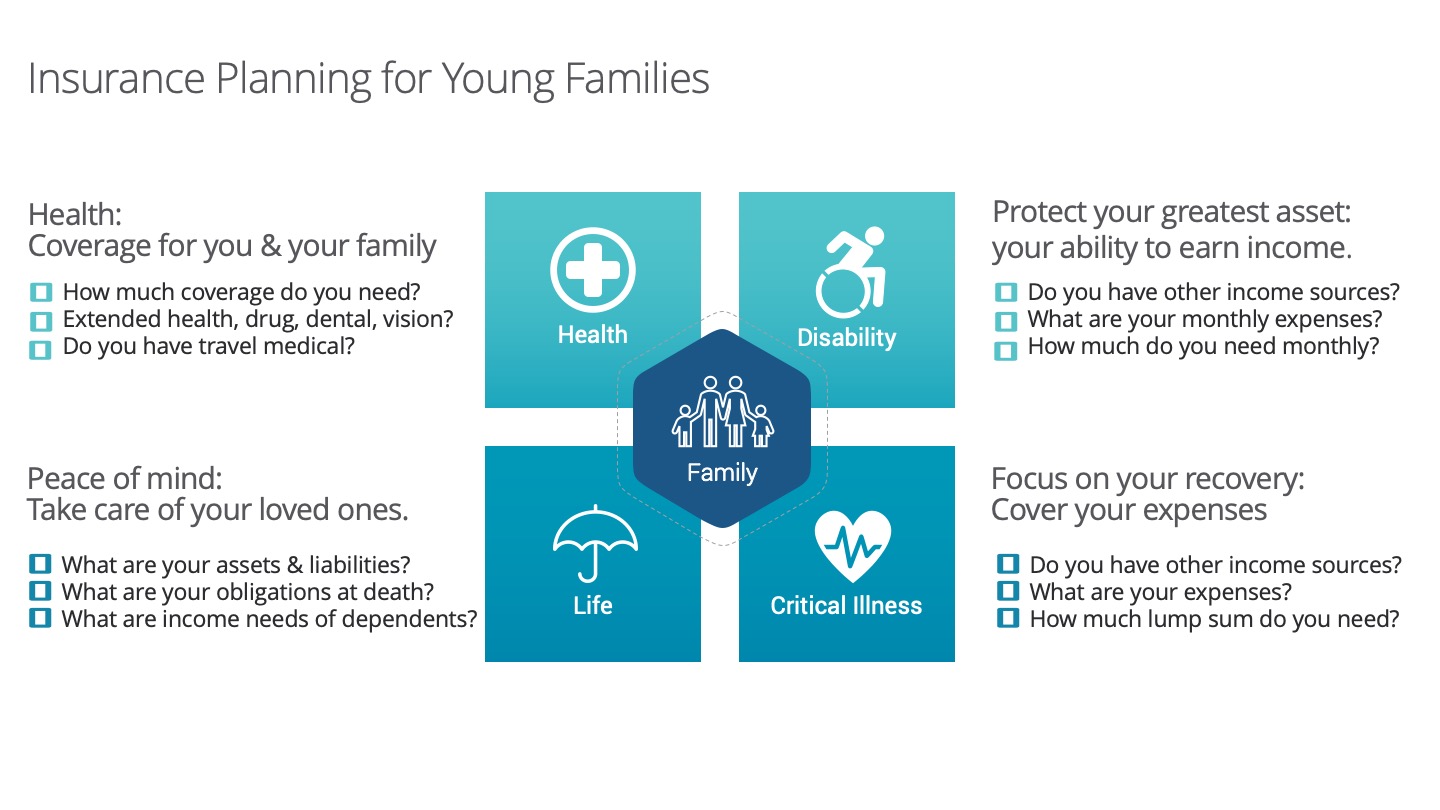
Your kids mean everything to you – and you want to make sure they’re protected no matter what. As a single parent, you must have the right health and life insurance options in place to make that happen. We recommend you consider all of the following types of insurance:

  • Disability insurance

  • Critical illness insurance

  • Accident insurance

  • Life insurance

Disability insurance

Disability insurance can provide you with an income if you become disabled and cannot work – whether it’s for a short period of time or a long one.

Most workplaces offer disability coverage, but it’s tied to that particular job, so you’ll lose coverage if you leave that job. As well, the coverage from your employer’s plan may not be sufficient to cover your needs if you become disabled.

It’s particularly important for you to look into disability insurance if you work as a contractor or have a job with no benefits.

Critical illness insurance

Critical illness insurance can help you pay for the costs associated with various serious medical issues (such as a heart attack, cancer, or a stroke) that aren’t covered by any other health plans or disability insurance. As a single parent, you may find the payout from a critical illness insurance policy especially helpful for paying for extra childcare or lost income if you cannot work.

Accident insurance

Life is getting busier than ever – and there are more and more of us on the roads. Unfortunately, more people on the roads mean more accidents. If you buy accident insurance for yourself or your children, the payout from the policy can bring in some extra income at a critical time of need if any of you are in an accident. You can use an accident insurance payout to help pay for anything from lost income to private home care.

Life insurance

Life insurance is critical as a single parent as your children are dependent on your income. Generally, we suggest that you get a policy that is worth at least 10 times your annual income, but you may need more if you have a lot of debt or you need the money to last a long time.

Your children should be the beneficiaries of your policy and you can name a trustee (such as a grandparent or other relative) to look after the money on your children’s behalf until they reach a specified age.

We can help!

If you have questions about what kind of insurance is best for you, we’re happy to answer them! We’ll walk you through all your options and put together an insurance package that’s just right for you. Call us today!

Estate Planning for Blended Families

Blended families – where two people get married but have children from previous relationships – are becoming more common. It can be challenging enough to take care of the everyday logistics; from where to live to making sure everyone gets along. So trying to make sure you properly take of estate planning often doesn’t get taken care of.

In most families – blended or not – spouses leave everything to each other. Then, when the surviving spouse dies, the remainder is divided amongst all of the children. The problem with this setup is that there is no guarantee that the surviving spouse will not remarry and inadvertently disinherit the deceased’s children.

To make sure that everyone is treated fairly, it’s essential to consider how to handle each of the following estate planning issues for blended families:

  • Sharing the Family Home

  • Make the Most of a Registered Retirement Savings Plan

  • How to Share Non-Registered Investments and Other Assets

  • Why It’s Important to Select a Good Trustee

  • The Advantages of Life Insurance for Blended Family Estate Planning

It’s essential to have a full discussion with your spouse and children to avoid misunderstandings and reduce uncertainty. But you don’t have to do it alone! We can provide you with tailored solutions to ensure your wishes are carried out.

Sharing The Family Home

This can be challenging, depending on whether the blended family moves into a new home or into a house one spouse already owns. An option to consider is that the spouse who is moving into the home already owned by the other spouse can then purchase an interest in the family home. If this occurs, each spouse can own the home as tenants-in-common, enabling them to manage their interest in the house separately.

When it comes time for each spouse to draw up a will, provisions can be made for the surviving spouse to remain in the home until the time of their choosing (or death) before passing on the interest to their respective children.

Make the Most of a Registered Retirement Savings Plans

The best way to take advantage of the tax-free rollover from an RRSP is for each spouse to name each other the beneficiary. While it may be tempting to leave your RRSP to your estate or one or more of your children, this can have ramifications. If you leave it to your estate, it will have to go through probate and also be taxed. If you leave it an adult child, the RRSP won’t have to go through probate, but the entire RRSP will be considered taxable to the deceased in the year of death.

How to Share Non-Registered Investments and Other Assets

You can set up your estate planning so that your spouse can benefit from income-producing assets during their lifetime, without necessarily impacting the capital in those assets. Your children can then benefit from them after your spouse dies.

Each spouse can set up a spousal testamentary trust to contain their income-producing investments and assets. The surviving spouse will then receive all the income from the trust and the option to access the capital for specific needs (if specified in the trust). After the surviving spouse dies, the assets will pass to whoever was identified as the trust’s inheritors. You can make the inheritors your children. This ensures that both your spouse and your children are taken care of.

Why It’s Important to Select a Good Trustee

Trusts are a vital part of effective estate planning for blended families. This means that it’s critical to pick the right trustee – as they will control and manage the assets of the deceased’s estate as outlined in the deceased’s will. You may even want to consider multiple trustees or the services of a trust company. A strong but neutral trustee will help ensure that your wishes are followed without causing fighting amongst family members.

Advantages of Life Insurance for Blended Family Estate Planning

There are several advantages to using life insurance policies as part of your estate planning for blended families:

  • The death benefit is tax-free. You can have it paid out in cash directly or create trusts, so the capital goes to your spouse while they live and your children after your spouse dies.

  • Since you can name the beneficiary, you can control who inherits the proceeds. It’s not considered part of the will, so it cannot be included in any wills variation action (more commonly known as challenging the will).

  • If one spouse enters the marriage with significantly more wealth than the other, life insurance can help create a fair division of assets.

The Takeaway

No matter what choices you make about estate planning for your blended family, you must communicate openly and honestly with everyone in the family. This will help ensure that everyone is aware of the state of affairs and reduces misunderstandings and uncertainty about what the future may hold for everyone in the family.

Using professional advice while you are estate planning for blended families can help you create a solution that satisfies both spouses and their respective children’s objectives. Reach out to me if you have any questions or concerns about your estate planning – I’m here to help!

Do you REALLY need life insurance?

You most likely do, but the more important question is, What kind? Whether you’re a young professional starting out, a devoted parent or a successful CEO, securing a life insurance policy is probably one of the most important decisions you will have to make in your adult life. Most people would agree that having financial safety nets in place is a good way to make sure that your loved ones will be taken care of when you pass away. Insurance can also help support your financial obligations and even take care of your estate liabilities. The tricky part, however, is figuring out what kind of life insurance best suits your goals and needs. This quick guide will help you decide what life insurance policy is best for you, depending on who needs to benefit from it and how long you’ll need it. 

Permanent or Term? 

Life insurance can be classified into two principal types: permanent or term. Both have different strengths and weaknesses, depending on what you aim to achieve with your life insurance policy. 

Term life insurance provides death benefits for a limited amount of time, usually for a fixed number of years. Let’s say you get a 30-year term. This means you’ll only pay for each year of those 30 years. If you die before the 30-year period, then your beneficiaries shall receive the death benefits they are entitled to. After the period, the insurance shall expire. You will no longer need to pay premiums, and your beneficiaries will no longer be entitled to any benefits.

Term life insurance is right for you if you are: 

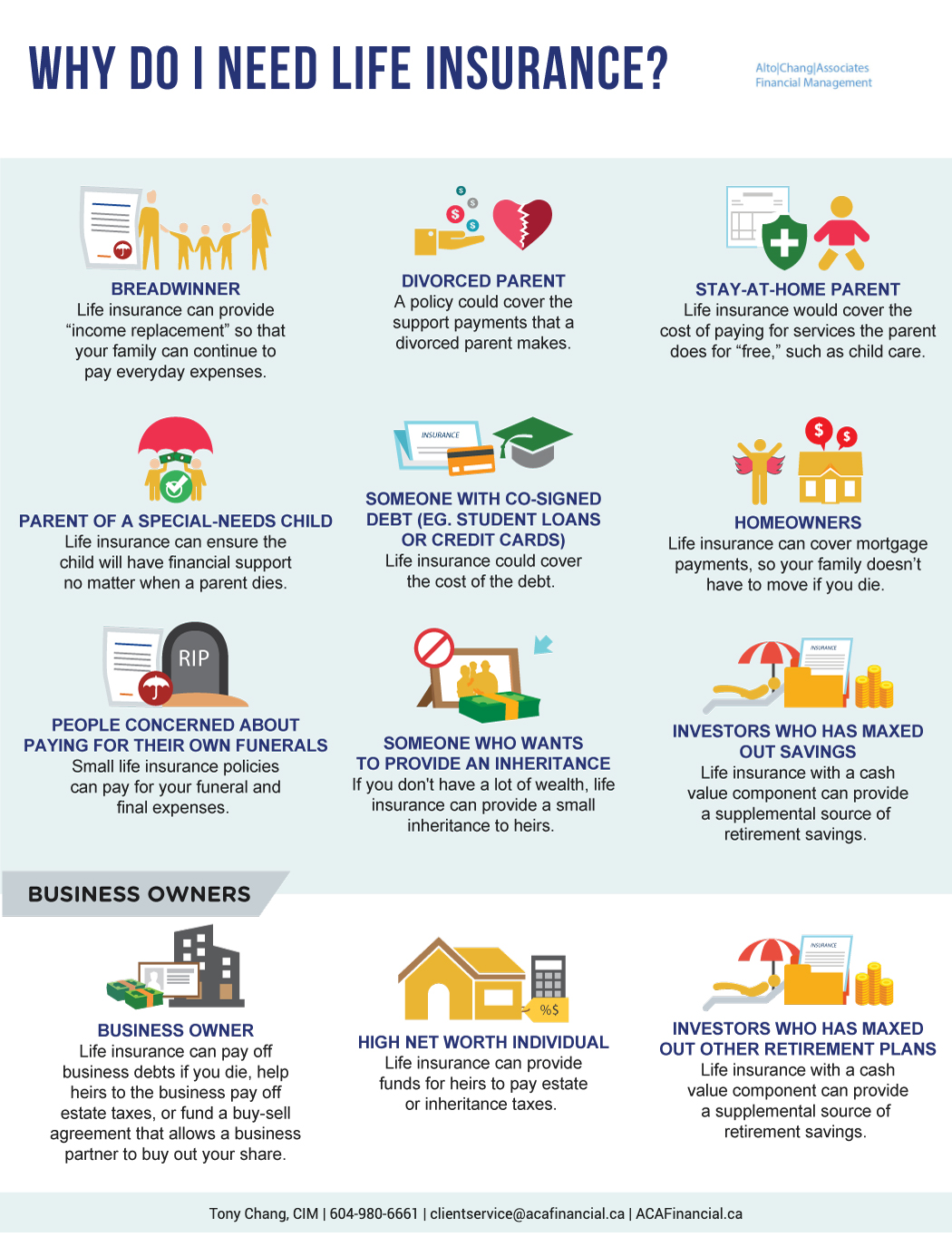
  • The family breadwinner. Death benefits will replace your income for the years that you will have been working, in order to support your family’s needs.

  • A stay-at-home parent. You can set your insurance policy term to cover the years that your child will need financial support, especially for things that you would normally provide as a stay-at-home parent, such as childcare services.

  • A divorced parent. Insurance can cover the cost of child support, and the term can be set depending on how long you need to make support payments.

  • A mortgagor. If you are a homeowner with a mortgage, you can set up your term insurance to cover the years that you have to make payments. This way, your family won’t have to worry about losing their home.

  • A debtor with a co-signed debt. If you have credit card debt or student loans, a term life insurance policy can cover your debt payments. The term can be set to run for the duration of the payments. 

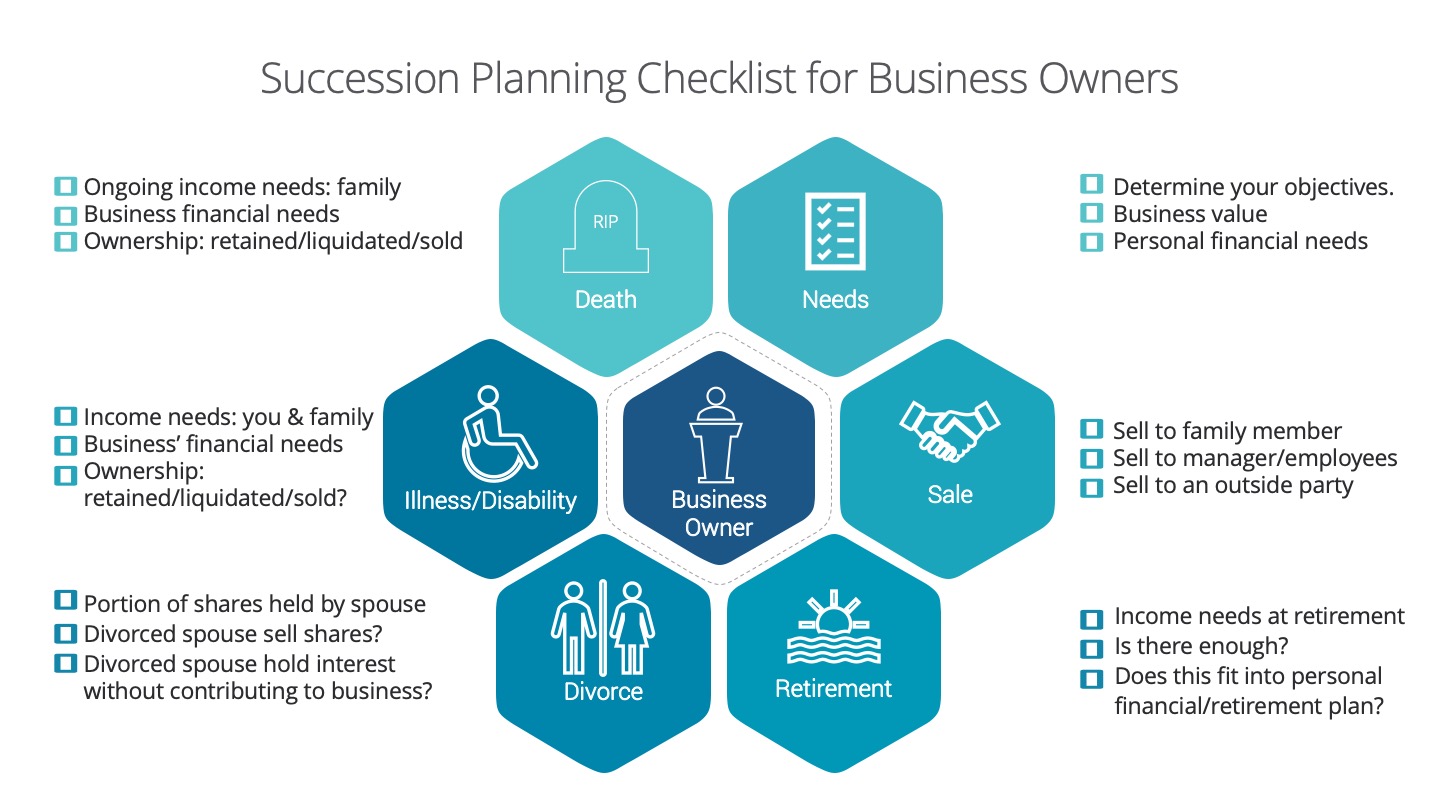
  • A business owner. If you’re a business owner, you may need either a term or permanent life insurance, depending on your needs. If you’re primarily concerned with paying off business debts, then a term life insurance may be your best option. 

Unlike term life insurance, a permanent life insurance does not expire. This means that your beneficiaries can receive death benefits no matter when you die. Aside from death benefits, a permanent life insurance policy can also double as a savings plan. A certain portion of your premiums can build cash value, which you may “withdraw” or borrow for future needs. You can do well with a permanent life insurance policy if you: 

  • …Have a special needs child. As a special needs child will most likely need support for health care and other expenses even as they enter adulthood. Your permanent life insurance can provide them with death benefits any time within their lifetime.

  • …Want to leave something for your loved ones. Regardless of your net worth, permanent life insurance will make sure that your beneficiaries receive what they are entitled to. If you have a high net worth, permanent life insurance can take care of estate taxes. Otherwise, they will still get even a small inheritance through death benefits.

  • …Want to make sure that your funeral expenses are covered. Final expense insurance can provide coverage for funeral expenses for smaller premiums.

  • …Have maximized your retirement plans. As permanent life insurance may also come with a savings component, this can also be used to help you out during retirement.

  • …Own a business. As mentioned earlier, business owners may need either permanent or term, depending on their needs.

A permanent insurance policy can help pay off estate taxes, so that the successors can inherit the business worry-free. Different people have different financial needs, so there is no one-sized-fits-all approach to choosing the right insurance policy for you. Talk to us now, and find out how a permanent or term life insurance can best give you security and peace of mind.